
September 16, 2026
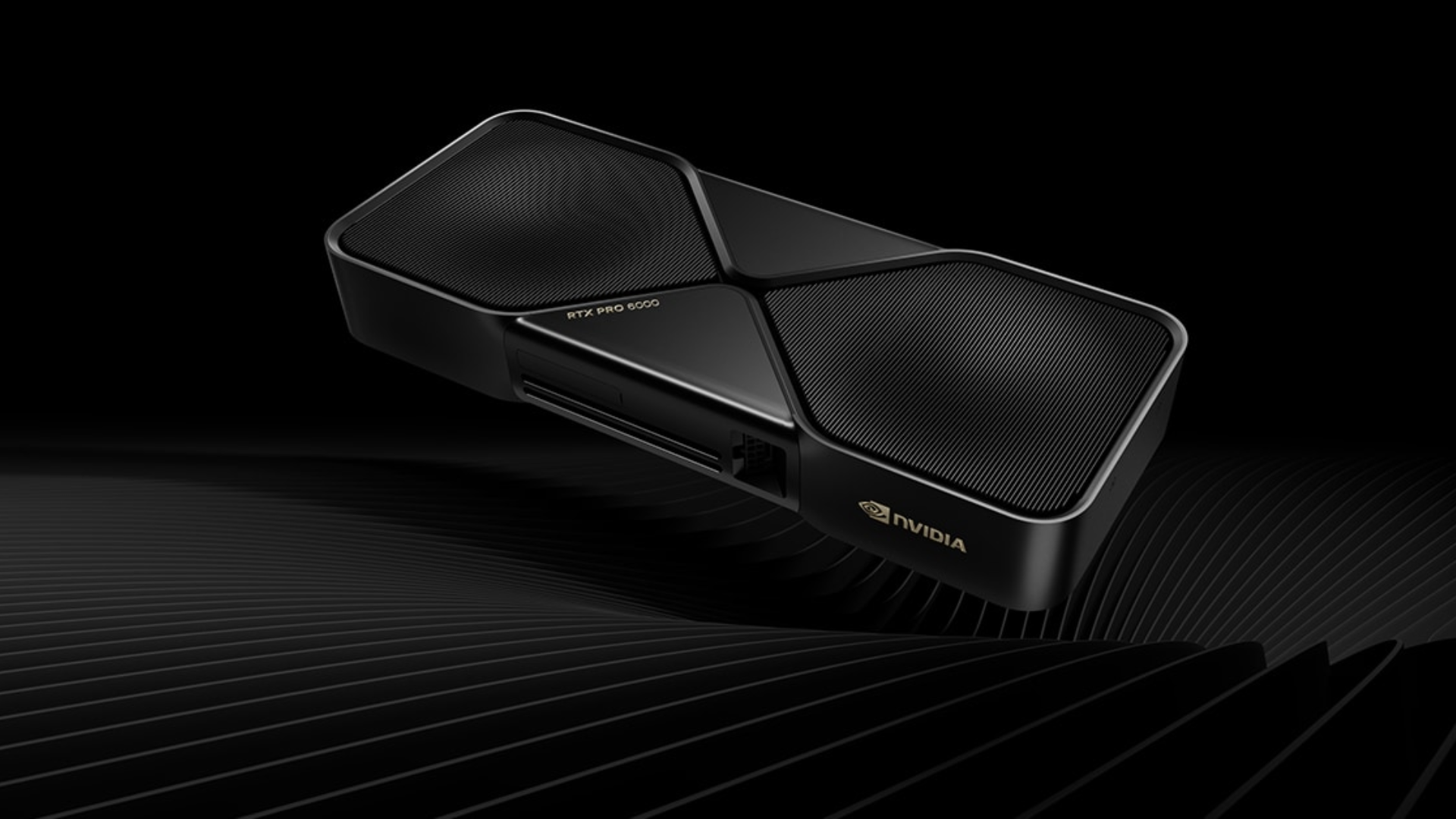
RTX Pro 6000 Blackwell is NVIDIA's flagship workstation GPU, built on the full GB202 die with 24,064 CUDA cores and 96GB of GDDR7 ECC memory, more VRAM than any other card in its class, and the reason it became the default choice for teams running large rendering jobs or memory-heavy inference on a single card. It launched in March 2025 at roughly $8,565. By August 2026, NVIDIA's own marketplace listed the same card at $16,000, an 87% increase across two separate price hikes, neither one accompanied by an official statement from NVIDIA. Tom's Hardware, which has tracked the card's pricing since launch, reported both moves went unannounced, and third-party retailers have spent the months since converging toward the new number rather than undercutting it.
The first jump landed in June 2026, when NVIDIA's marketplace price moved to $13,250, a 55% increase over launch, according to MLQ News. The second came roughly two months later, when TweakTown and other outlets confirmed the price had moved again to $16,000, a further 20% on top of the June figure. Retail pricing has tracked the same trajectory with some variance: Newegg and B&H listings in August sat between $14,000 and $15,500, generally converging toward NVIDIA's official number as existing stock sells through.
Tom's Hardware attributes roughly 92% of the total increase to supply-and-demand pressure in the GDDR7 memory market, with the remaining 8% coming from higher manufacturing costs. That split matters because it points to where the constraint actually sits. The RTX Pro 6000 Blackwell carries 96GB of GDDR7 in a clamshell configuration, more than any other workstation-class card on the market, which makes it more exposed to memory pricing than GPUs with smaller memory footprints. AI-focused SKUs are getting priority allocation from memory manufacturers, and workstation and consumer cards built on the same GDDR7 supply are absorbing the resulting squeeze.
The same shortage is visible elsewhere in NVIDIA's lineup, and it's not confined to the high end. The RTX 5090, a consumer card with a fraction of the Pro 6000's memory, has more than doubled from its $1,999 launch price over the same period. Mid-range cards have moved too: reporting from Studio Global AI put the RTX 5070 Ti at roughly a 47% premium over MSRP in the Canadian market, with the RTX 5060 Ti seeing the sharpest percentage spike of any card tracked, close to 39% in a single two-month window. Even the RX 9070 XT, built on the comparatively less-constrained GDDR6 rather than GDDR7, carried an 8% premium in early 2026, and that gap has been narrowing as the shortage cascades into GDDR6 pricing as well.
The pattern across every tier is the same: AI data centers are absorbing the majority of global DRAM and HBM production, and memory manufacturers are setting fab priorities months in advance. When AI-focused SKUs get first call on capacity, everything else built on the same memory technology feels the squeeze, gaming cards included. Industry executives, including SK Hynix's CEO, have suggested memory constraints could persist well beyond 2027, which makes this look less like a one-time correction and more like a pricing environment teams should plan around rather than wait out.
The math becomes more concrete at server scale. An 8-GPU RTX Pro 6000 Blackwell node means eight of these cards, which at the current $16,000 marketplace price puts the GPUs alone at roughly $128,000, before the server chassis, networking, power infrastructure, or the two price increases already behind that number in the last twelve months. A team that bought at launch pricing and needs a second identical node today is repricing the same hardware at close to double.
That's the specific exposure a fixed-rate rental removes, not the underlying compute cost, which doesn't change, but the volatility sitting on top of it. Two unannounced increases in under a year is a difficult variable to budget against on a capital purchase; it's a non-issue on a monthly rate that was fixed at signing.
None of this changes what the RTX Pro 6000 Blackwell actually does, 96GB of GDDR7 ECC memory and the architecture to back it remain the reason teams choose the card for rendering and inference workloads in the first place. What it changes is the calculus between buying and renting: a fixed monthly rate on rented capacity insulates a budget from a hardware price that has moved twice without warning in under a year and shows no clear sign of stabilizing. We carry RTX Pro 6000 Blackwell nodes on dedicated bare metal if that math is one you're currently running.
Talk to an engineer if you want to think through the rental math before your next budget cycle.