
September 9, 2026
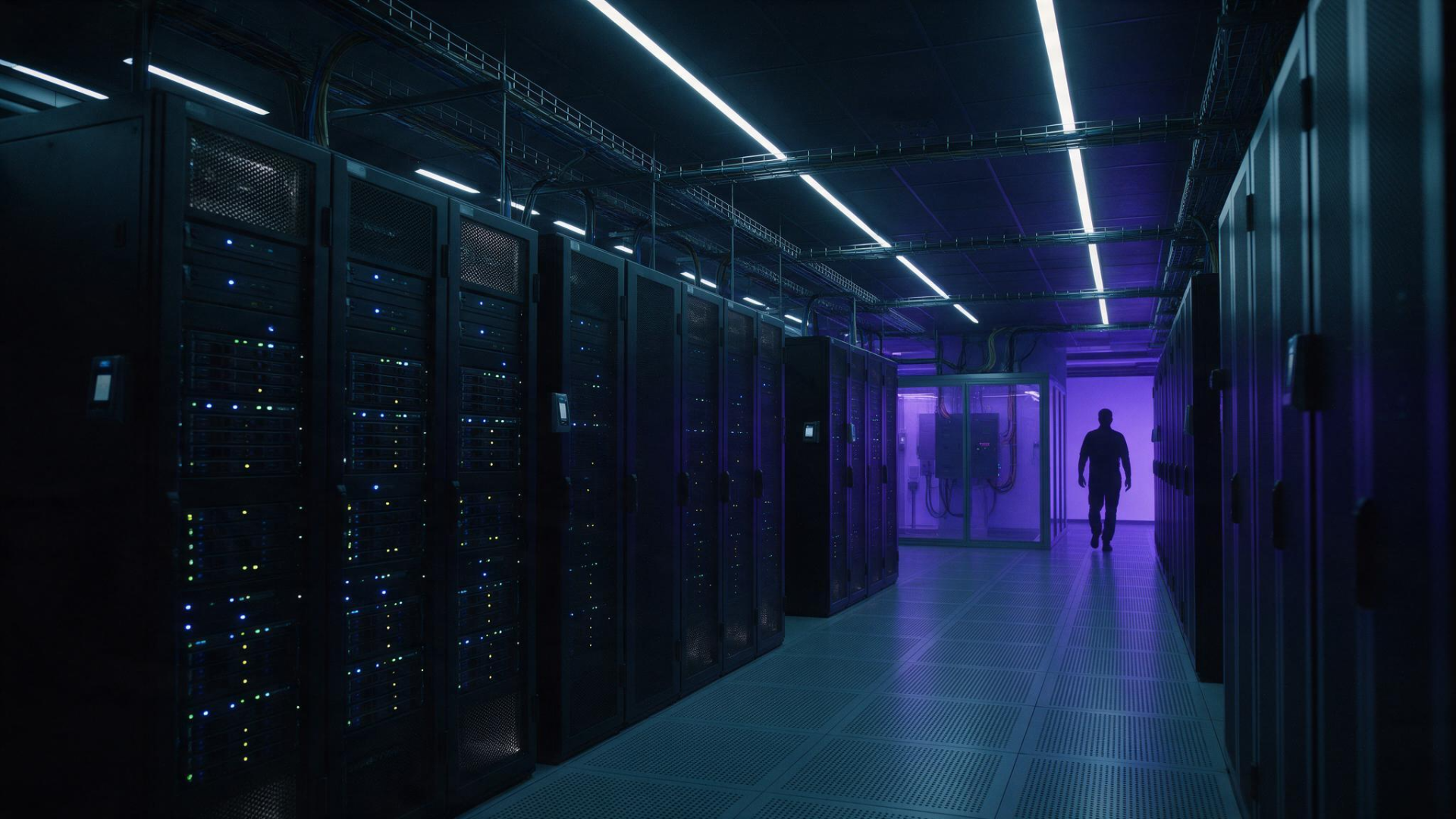
The pattern used to be predictable: a startup stays on AWS until something breaks it loose, a quota wall, a six-figure invoice nobody budgeted for, a board member asking hard questions about burn. In 2026, more Series A teams are skipping that step entirely. They're not waiting for the forcing function. They're running the math early and moving before AWS makes the decision for them.
Here's what that math actually looks like.
CloudZero's 2026 pricing analysis, drawn from its AI ROI survey of 260 finance leaders, found that identical H100 capacity spans roughly a 5x price range across providers, with dedicated GPU clouds averaging about half of hyperscaler rates. AWS sits on the expensive end of that spread. For a Series A company running sustained training or inference, that's not a rounding error, it's the difference between a compute line item that scales with the business and one that quietly outpaces it.
The same CloudZero research puts a single H100 80GB card at roughly $31,000 to buy outright, with a full 8-GPU HGX system running $250,000 to $320,000. Useful context less because most startups should be buying hardware, and more because it shows how much of the AWS invoice is markup on infrastructure whose underlying cost hasn't moved nearly as fast as the bill has.
Paying more doesn't necessarily buy certainty. Cast AI's 2026 GPU pricing report notes that securing A100 or H100 capacity on the major hyperscalers is often gated behind quotas or enterprise agreements rather than simple on-demand availability. The sticker price isn't even the full picture, access itself has become a negotiation.
That scarcity has a supply-chain backdrop. Nvidia's CFO told investors the company remains supply-constrained even as data-center revenue more than doubled year over year, and reporting on the company's 2026 earnings call noted specialized AI cloud providers are racing to add gigawatts of capacity just to keep pace with demand. When the constraint sits upstream at the silicon level, a hyperscaler's internal prioritization of who gets capacity, and at what price, becomes a business risk a startup doesn't control.
That constraint is sharper still for next-generation hardware. Lead times for nodes like the B300 have stretched well beyond what most teams plan for, even for those who can get an allocation at all, which makes waiting for a hyperscaler to prioritize your account a bet most Series A teams can't afford to make.
Usage-based AWS billing has no natural checkpoint where a team is forced to re-evaluate. Pricing and capacity terms can shift with no negotiation window at all. That absence of a checkpoint is exactly why proactive migration tends to beat reactive migration: waiting for a natural pause to reconsider infrastructure assumes AWS's pricing will hold still until you get there, and 2026 hasn't been a year where that assumption held.
The costs this compounds with are ones we've covered before, egress fees that rarely get their own line item, idle capacity from provisioning for peak, storage sprawl nobody owns. If you haven't run that audit against your own AWS bill yet, it's worth doing before this decision instead of after.
A dollar spent on GPU markup is a dollar not extending runway, not funding the next hire, not buying the time to hit the metrics that get you to the next round. At Series A, the infrastructure decision is a runway decision wearing an engineering hat, and it doesn't need a crisis to justify running the numbers now.
The teams handling this well aren't waiting for one. They're comparing list price, effective price after quotas and constraints, egress, and predictability against their own workload while they still have the leverage of choosing rather than reacting.
Talk to an engineer before capacity or cost forces the decision for you.